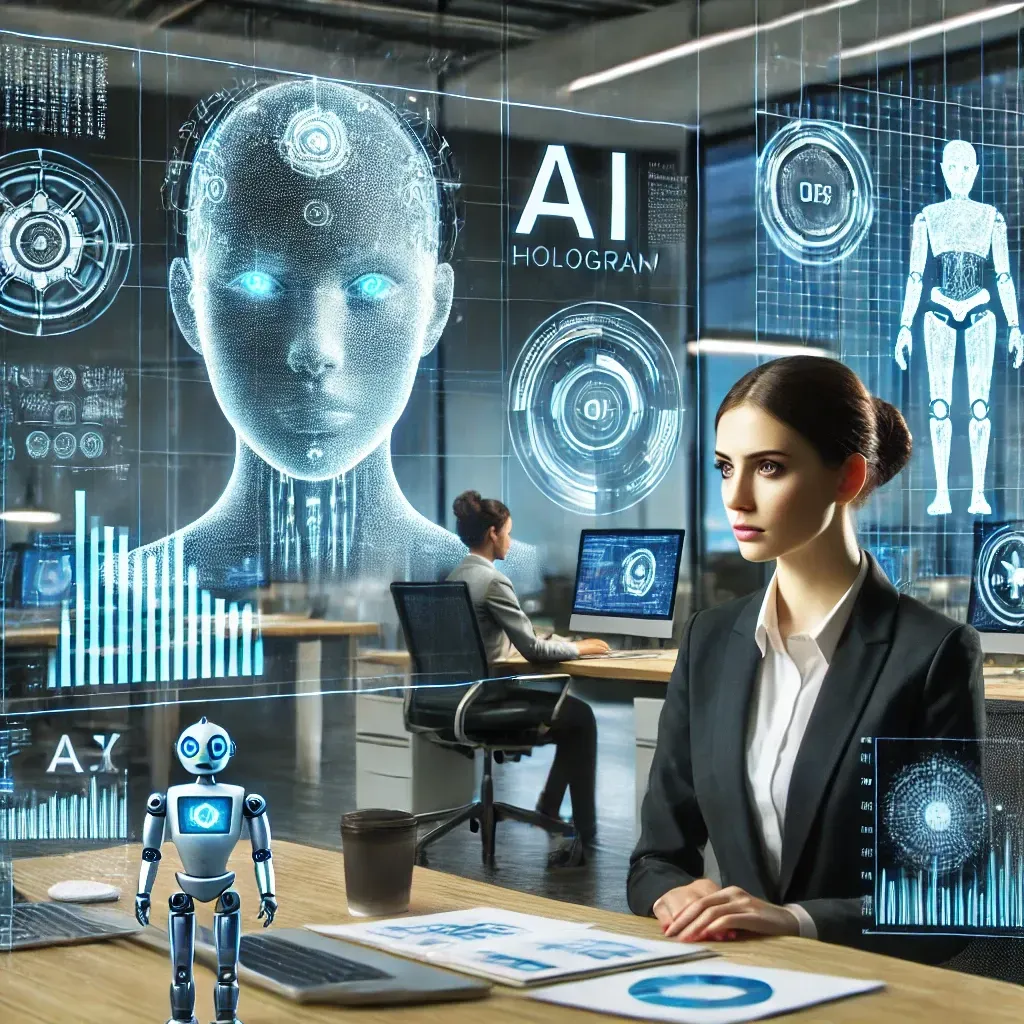
Navigating the Complexities of AI in the Workplace
AI is transforming the way we work—streamlining tasks, boosting productivity, and opening doors to innovation. But while it brings plenty of advantages, it’s not without its complications. From errors to ethical concerns, AI can introduce new challenges that businesses need to be prepared for. Here’s a closer look at the potential pitfalls of using AI in the workplace and how to navigate them.
What Is AI and How Is It Changing the Workplace?
Artificial Intelligence (AI) refers to computer systems that can perform tasks typically requiring human intelligence. These systems can write content, analyze complex data, and even create visual art. While AI offers powerful tools for businesses across industries, it’s far from flawless. Mistakes happen, and when they do, the consequences can be significant.
Where Can AI Fall Short?
Inaccurate Information
AI doesn’t always get it right. It can misinterpret data, rely on outdated information, or simply produce errors. In a work environment, this could lead to costly mistakes or misguided decisions.
Unpredictable Outputs
Sometimes, AI generates bizarre or irrelevant results—whether it’s nonsensical text or strange visuals. These errors can waste time, create confusion, and potentially harm your professional credibility.
Can AI Be Biased?
Unfortunately, yes. AI systems learn from human-generated data, and if that data carries biases, the AI will inherit them. This can lead to unfair outcomes, especially in areas like hiring, lending, or law enforcement. Recognizing and addressing these biases is crucial for any business using AI tools.
How Does AI Affect Jobs?
The Fear of Job Loss
One of the biggest concerns about AI is automation replacing human jobs. Since AI can often complete repetitive tasks faster and at a lower cost, some roles—especially in industries like manufacturing or data entry—could become obsolete.
The Demand for New Skills
On the flip side, AI creates opportunities for workers to develop new skills. Employees will need to learn how to work alongside AI systems—whether it’s interpreting AI-generated data or managing automated processes. This shift can be daunting for those unfamiliar with new technologies.
Is AI Always Reliable?
No technology is foolproof, and AI is no exception. System errors, software glitches, or technical failures can disrupt workflows and cause setbacks, especially if a business heavily relies on AI for critical operations.
How Does AI Influence Teamwork?
AI can change how teams collaborate. Tasks that were once team-based might become more isolated as AI handles individual workloads. While this can increase efficiency, it might also reduce opportunities for creative collaboration and teamwork.
What About Privacy Concerns?
AI often requires vast amounts of data to function effectively. This raises important privacy concerns—especially when sensitive employee data is involved. Workers may worry about how their personal information or work habits are being monitored and used.
Could AI Spark Legal Issues?
Yes, AI introduces legal uncertainties. Questions about intellectual property rights arise when AI generates original content. Additionally, if AI systems make biased or discriminatory decisions, businesses could face legal repercussions.
How Can You Use AI Responsibly at Work?
To integrate AI safely and effectively into your workplace, consider these best practices:
Double-check AI outputs for accuracy and relevance
Ensure human oversight for important decisions
Train employees to use AI tools effectively
Establish clear policies around AI use
Stay informed about evolving AI regulations
Embracing AI, the Smart Way
AI has enormous potential to revolutionize the workplace—but it’s essential to approach it with caution and responsibility. If you’re considering using AI at work, we’re here to help.
Contact us today for guidance on how to use AI effectively, ethically, and safely.
